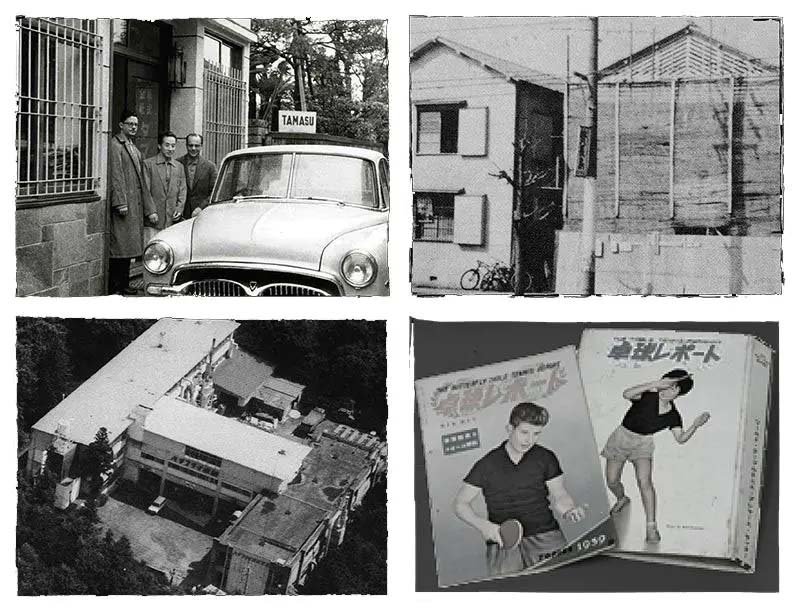
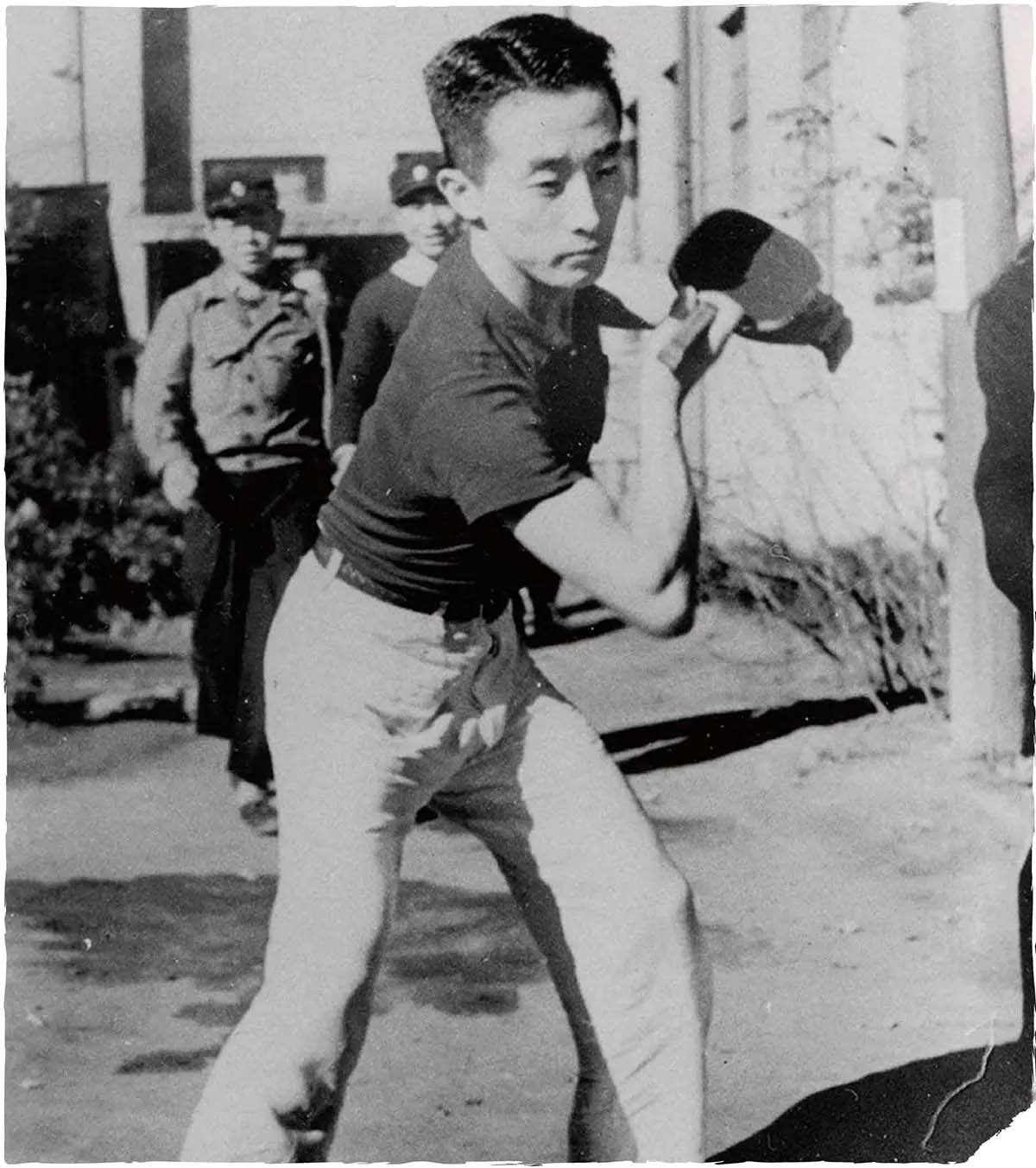
Early Years, School, and Wartime
| 1920 | Aug 20 | Born in Yanai, Yamaguchi Prefecture, as the eldest son of Giichi and Takayo Tamasu. His father ran a confectionery business called Tengu–do. |
|---|---|---|
| 1931 | Dec | Started playing table tennis in fifth grade after his father brought home a table tennis set from Tokyo. (Age 11) |
| 1933 | Apr | Entered Yanai Commercial School and joined the table tennis club. (Age 12) Later, he won both team and individual titles at the Yamaguchi Prefecture Junior High School Table Tennis Tournament (3rd year); won the Yamaguchi Prefecture Senior Men's Singles title (5th year). |
| 1938 | Mar | Graduated from Yanai Commercial School. (Age 17) Gave up his dream of playing at university due to his father's view that “a university education is not necessary for a confectionery shop successor,” and continued coaching across Yamaguchi Prefecture while helping with the family business. Meanwhile, strengthened the Yanai Table Tennis Association, published the newsletter Yanai Table Tennis, and founded the West Japan Table Tennis Championships to boost local table tennis. |
| 1940 | Apr | Invited top All Japan players to Yanai for exhibition matches. Inspired by their style, he became an all–round player centered around chopping and formed close relationships with top players. (Age 19) |
| 1941 | Jul | Self–published a small booklet titled My Table Tennis Way, sharing his training methods, and distributed it to over 500 people. (Age 20) |
| Sep | Outraged when table tennis was dropped from the Meiji Shrine Sports Meet (now the Japan Games) as a “soft sport”; fired off a scathing protest letter to government authorities and the Japan Table Tennis Association. At the same time, formed the “Table Tennis Physical Training Patriotic Promotion Team” to protest the military's dismissal of the sport. To prove to the public that table tennis was not a soft sport, ran his first 20 km marathon to defend table tennis, winning with the resolution of “victory or death.” Next morning's headline read, “Tamasu of Table Tennis Wins.” (Age 21) |
|
| 1942 | Mar | Enlisted in a Yamaguchi regiment for teacher training and was called out by a senior soldier: “So you're Tamasu from table tennis. The army isn't like civilian life.” (Age 21) |
| 1943 | Mar | Married after visiting the Imperial Palace. (Age 22) |
| 1944 | Feb | Called up for a second time. Served as an assistant instructor (private first class) in a code–training unit; created “code exercises” practiced by the entire unit. (Age 23)
First daughter was born in March. |
| 1945 | Aug | Exposed to the atomic bombing in Ujina, Hiroshima, and survived. The experience deepened his desire to devote himself to work related to peace. Returned to Yanai the following month. (Age 24) |
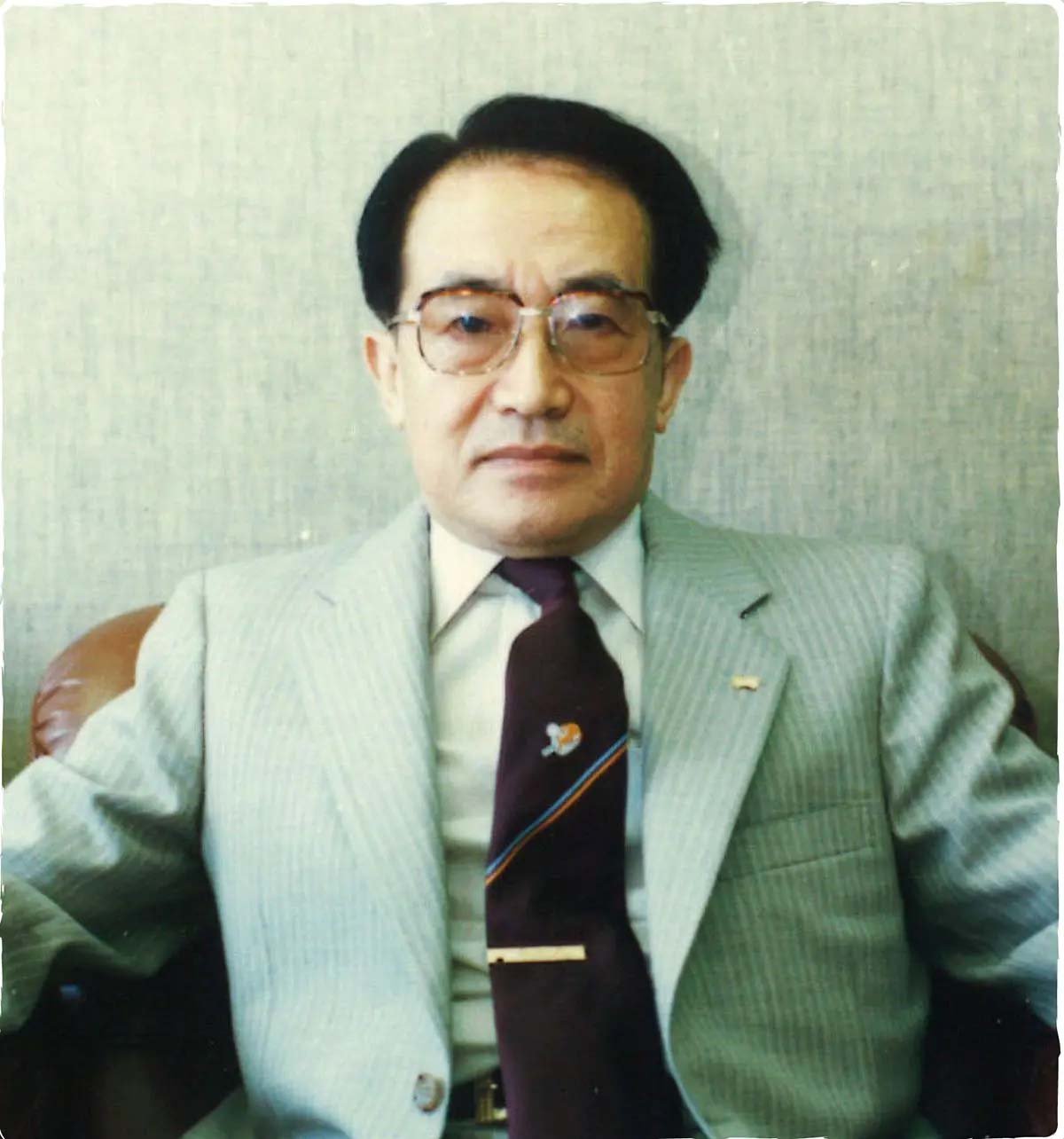
Postwar Years, Founding, and Later Life
| 1946 | Jul | Opened the Tamasu Sports Goods Shop in Yanai. Sourced sports equipment from Tokyo and Osaka, and resumed playing table tennis. (Age 25) | Nov | First son, Kimihiko, was born (later the third president of Tamasu Co., Ltd.). Finished second in men's singles at the first postwar Japan Games and All Japan Championships, after a hard–fought final. Placed second in men's doubles and third in mixed doubles. (Age 26) |
|---|---|---|
| 1949 | Mar | Used British–made rubbers, but they were hard to obtain and were sourced through occupation forces. This experience led to a firm goal: to make high–performance rubbers in Japan that anyone could easily buy. Worked with a rubber manufacturer to produce and sell the first Butterfly rubbers and blades. Opened a Tokyo office and began working with distributors across Japan. (Age 28) |
| 1949 | Dec | Made his final appearance at the All Japan Championships: 3rd in men's singles, 7th in men's doubles, and champion in mixed doubles. Gave up his playing career after his father told him, “You can't train your staff if you're just out there playing around.” (Age 29) |
| 1950 | Dec | Founded Tamasu Co., Ltd. in Yanai, Yamaguchi Prefecture, and became Executive Director. His father served as the first president. (Age 30) |
| 1952 | Oct | Opened a Tokyo branch in Suginami, Tokyo. Began in–house blade production there the following year. (Age 32) |
| 1953 | Aug | Yanai won the MacArthur Cup National Inter–City Tournament. Played a key role as both coach and leading player. (Age 32) |
| 1954 | Mar | Sent a “Questionnaire of World Table Tennis” to association leaders and top players worldwide to learn about table tennis around the world. Feedback on equipment later became a key part of Butterfly's product strategy. (Age 33) |
| 1956 | Mar | Moved the company to Tokyo. Closed the Yanai headquarters and made the Tokyo branch the new head office. (Age 35) |
| 1957 | Apr | Became Chairman of a local table tennis federation in Tokyo, drawing on his earlier experience, he launched a major regional championship tournament that later produced many well–known players. (Age 36) |
| Sep | Launched The Table Tennis Report, driven by the need to train coaches and share reliable information, especially for players in rural areas. (Age 37) | |
| 1959 | Dec | Became President and CEO of Tamasu Co., Ltd. Built a new management team and strengthened the company's operations in Tokyo. Introduced a monthly “Month–Beginning Report,” sharing the previous month's financial results with all employees to encourage a sense of participation in management. (Age 39) |
| 1964 | Jun | The Butterfly trademark was improperly registered in Europe by a Dutch agent. After a long struggle, regained the trademark rights 13 years later. (Age 43) |
| 1967 | Dec | Completed the Tokorozawa factory (now Butterfly Tech). (Age 47) |
| 1973 | Jan | Established Tamasu Butterfly Europa to manage industrial property rights, expand the European market, and gather local information. (Age 52) |
| 1975 | Jul | Began arranging unofficial friendly matches with Republic of Korea, guided by a belief in good–neighbor relations. (Age 54) |
| 1983 | Apr | Built the Butterfly Table Tennis Dohjo next to the headquarters to give back to the table tennis community and provide a training place for players. Widely used for university training camps, international students, women's classes, coaching clinics, TV filmings, and more. (Age 62) |
| 1988 | Sep | Spoke at the International Table Tennis Coaches Conference in Bratislava, Slovakia. (Age 68) |
| 1991 | Nov | Awarded the Order of the Rising Sun, Gold and Silver Rays (5th Class); an award by the Japanese government. (Age 71) | Dec | Handed over the role of President and CEO to his son, Kimihiko, and became Chairman. (Age 71) |
| 1997 | Apr | Stepped down as Chairman and became Senior Advisor. (Age 76) |
| 1999 | Dec | Retired as Senior Advisor. Continued giving talks around Japan as a company advisor when requested. (Age 79) |
| 2003 | Dec | Named an Honorary Citizen of Yanai City, Yamaguchi Prefecture. (Age 83) |
| 2004 | Jul 22 | Passed away in Hakone, where he was recuperating. (Age 83) |